
Student voice: putting learning in students' hands
What does student voice look like beyond a survey, and how can schools build it in a way students can trust? This article covers co-constructing units, student-led conferences, online forums, age-appropriate roles and the link to civics and citizenship.
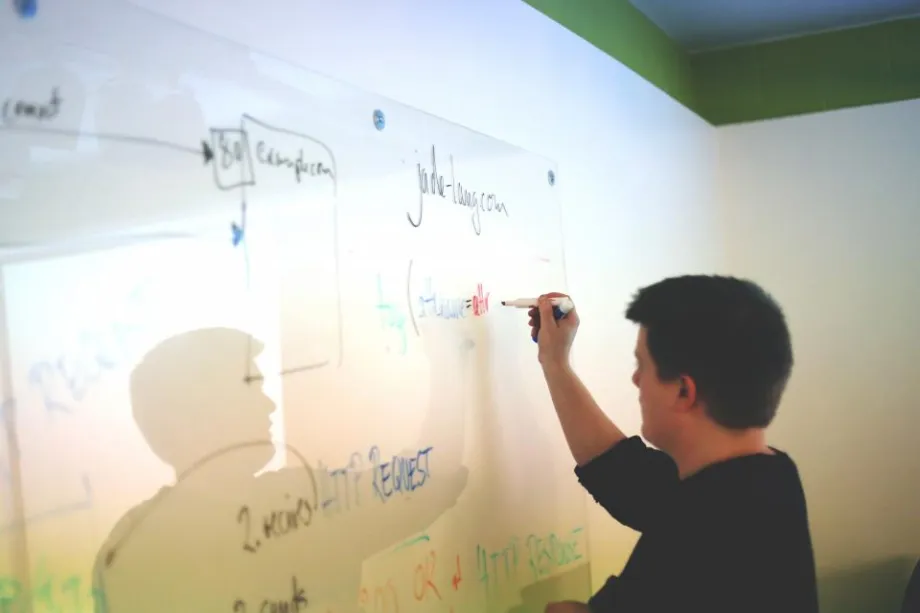
A Year 4 teacher puts three possible starting points for a science unit on the board and asks the class to vote, then to say what they already know about each. The vote takes ten minutes. The conversation shows the teacher what the students understand, what they have misconceptions about, and what they are curious about. The unit still covers the same content. It simply begins where the students are.
That small moment is student voice in practice. It does not need a committee or a new program. It needs a teacher who treats students' views as information about learning.
What student voice covers
The term stretches across a wide range of activity. At one end are surveys about school climate, suggestion boxes and feedback forms at the end of a unit. In the middle are class meetings, student representative councils and students giving teachers feedback on lessons. At the far end are students sitting on staff interview panels, helping design a unit, or leading a conversation about their own progress.
It helps to separate three ideas that often get blurred. Voice is being heard. Agency is being able to act and make some real choices. Leadership is taking charge of part of the work, such as running a forum or mentoring younger students. A school that only collects opinions has voice. A school that lets students shape decisions has started on agency.
Surveys have a place. They reach many students quickly and can show patterns that a few conversations would miss. Their limit is that students answer questions someone else wrote, in a format someone else chose. Used alone, they are a thin form of voice. Used alongside conversation and real choices, they are a useful starting point.
Co-constructing learning with students
Co-construction means students help shape parts of the learning, while the teacher keeps responsibility for the curriculum and for what students actually learn. It is a partnership, but not an equal one, and it works better when everyone knows that.
In practice it can be modest. A Year 5 class might agree on the final product for a research task (a podcast, a model, a short talk) while the teacher keeps the same criteria for all. A Year 8 English class might choose a novel from a shortlist the teacher has already checked against the unit goals. At the start of a unit, students can write the questions they want answered. The teacher sorts them against the curriculum, which shows what is covered, what is missing and what must be added.
Success criteria are a good place to begin. When students look at samples of work and work out what makes one piece stronger than another, they build a working understanding of quality. They also use the language of the criteria later when they give feedback to peers or reflect on their own work.
There are real tensions. Negotiating takes time, and a class can spend so long planning that content suffers. Quiet students may be overlooked while confident ones steer the discussion. Students cannot ask for what they do not know exists, so the teacher has to bring in ideas and skills they have not met. Students who reach a gap can also request direct instruction. That is not a failure of co-construction. It is the class agreeing that the teacher should share a skill at the right moment.
Student-led conferences and online forums
In a student-led conference, the student presents their learning to parents or carers. They choose samples of work, explain what they have done well, describe what is hard and say what they plan to do next. The teacher is present as support, not as the main speaker.
The conversation is only as good as the preparation. Students need to understand the criteria well enough to talk about them, and they need practice, perhaps with a partner first. Schools that use this approach often find it changes how students think about assessment and reporting. Feedback becomes something they use, not something that arrives at the end. Families also see learning described in the student's own words.
Some adjustments matter. Not every family can attend at a set time, so flexible scheduling or a recorded presentation can help. Interpreters or translated prompts may be needed. Some students will need extra support to speak about their work, and that should be planned, not left to chance.
Online forums suit different needs. A moderated space on the school's learning platform lets students raise ideas between meetings, comment on proposals and respond to each other in writing. This can help in large secondary schools, where a representative council reaches only a small number of students directly. Written discussion also suits students who would not speak up in a room.
Forums need clear rules about respect, privacy and moderation, in line with the school's digital policies and the guidance of the relevant state or territory department. Decisions about whether posts are named or anonymous should be made deliberately, with the reasons explained to students.
Listening without tokenism
Students notice quickly when they are asked for their opinions after the decision has been made. They also notice when the same few voices are always invited, and when nothing comes back from the feedback they gave. Each of these teaches them that asking was a formality.
A few habits help:
- State at the start what is open for change and what is fixed, and why.
- Invite students who rarely volunteer, using small groups, written input or a trusted peer.
- Report back in plain terms on what changed, what did not and the reasons.
- Return to the issue later and ask whether the change worked.
Saying no is acceptable. A clear no with an explanation respects students more than silence or a vague promise. Students are often more reasonable than adults expect when they understand the constraints, such as timetabling, safety, budgets set elsewhere or curriculum requirements.
Age-appropriate roles from primary to senior secondary
In the early years of primary school, voice looks like choosing between options, sitting in a circle to discuss a class problem and talking about a piece of work using sentence starters. The decisions are small, but the habit of being asked is built early.
In the upper primary years, students can help write a class agreement, contribute to success criteria and represent their class on a council. They can run part of an assembly or lead a short presentation of their learning to another class.
In Years 7 to 9, roles can widen. Students can give structured feedback on a unit, take part in peer mentoring, join a representative council and lead conferences supported by a portfolio. This is also the stage when students are most likely to disengage, and real responsibility can help.
In Years 10 to 12, students can serve on committees, advise on policies that affect them, such as mobile phone use or homework, and mentor younger students. In senior secondary, assessment requirements are largely set externally, so voice is more often about how students prepare and how they are supported than about what is assessed. Students can still shape study routines, feedback arrangements and the information given to younger students choosing subjects.
Links to civics and citizenship
Civics and citizenship is part of the Australian Curriculum, and it includes how democratic systems work, what rights and responsibilities people have and how citizens take part. Those ideas are easier to grasp when students have seen them in action.
A student council election with real candidates, speeches and a counted ballot teaches more than a diagram of the voting process. A class debate that ends with a decision the teacher honours shows what deliberation is for. A petition that leads to a change in the playground, or a clear explanation of why it did not, shows how institutions respond to people.
The reverse also holds. Students who are repeatedly asked and never answered learn that participation makes no difference. That is a poor lesson for future citizens, and it is learned in school.
For teachers, this fits with the professional standards that ask for knowledge of students and for working with parents and the wider community. It is also a reasonable starting point for a professional learning group. Pick one decision this term that students could genuinely influence, tell them how far their influence goes, and report back on what happened.
Frequently asked questions
What is the difference between student voice and student agency?
Student voice is about students being heard on matters that affect them. Agency is about students acting on those matters and having some control over the outcome. A survey gives students a voice. Choosing the format of an assessment task, within set criteria, gives them some agency.
Does co-constructing learning mean students decide what is taught?
No. The curriculum and its requirements stay with the school and the teacher. Students can shape how a unit is approached, which questions are investigated, what products they create and how success is described. The teacher still guides, explains and makes the final call where needed.
How can a school avoid tokenism when asking students for feedback?
Say at the start what is open to change and what is not, and ask a broad group of students, not only the confident ones. Then report back on what changed and what did not, with reasons. Students who see that their input leads to a visible response are more likely to keep contributing.
At what age can students start taking part in school decisions?
Children in the early years of primary school can choose between options, take part in class meetings and talk about their own work. The scope grows with age. By senior secondary, students can sit on committees, advise on school policies and mentor younger students.
Related articles

Learning stations that make end of unit revision active
Station rotations can turn the last week of a unit into focused practice instead of a re-read of the notes. This article covers how to design the stations, run the timing…
Teaching civics so students learn to act as citizens
What does civics and citizenship cover in Australian schools, and how can teachers handle contested topics, real student decisions, local links and assessment calmly? Thi…

Teaching literacy well in disadvantaged communities
What helps children learn to read and write when school and home seem far apart? This article looks at six practical ideas: building on home knowledge, high expectations …