
Reaching the students who have stopped trying at school
A Year 9 student who sits at the back, says little and hands in half a task is telling you something. This article looks at what engagement involves, how to spot its loss early, and which strategies in classrooms, senior pathways and family conversations tend to help.
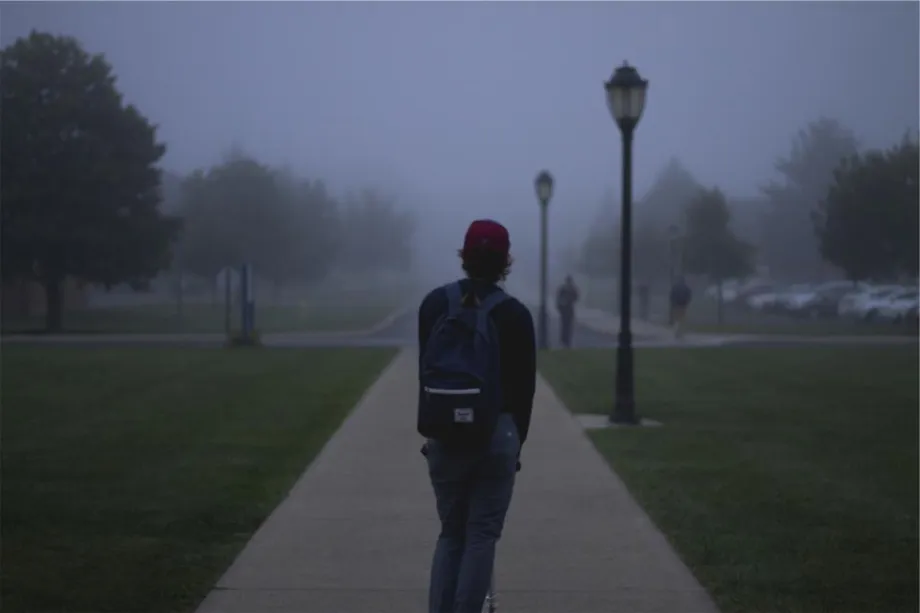
A student who used to put her hand up in Year 7 now keeps her head down in Year 9. Her folder is tidy and she does what she is told, but she has stopped asking questions and her answers are as short as she can make them. She is not a behaviour problem. She is a student who has gone quiet, and quiet students are easy to miss.
Engagement is not a single thing, and that is part of why it slips past us. Understanding its parts helps teachers decide where to look and what to try.
Three kinds of engagement
Education research commonly describes engagement in three parts. Behavioural engagement is what we can see: turning up, following routines, joining in, staying on task. Emotional engagement is how a student feels about school, the teacher, the subject and their place in the group. Cognitive engagement is the mental effort a student is willing to invest, including whether they try hard things, persist when stuck and care about understanding rather than just finishing.
These three do not always move together. A student can look perfectly behaved while their mind is elsewhere. Another can be loud and restless yet care a great deal about a topic. If a school only measures the behavioural part, it will count the compliant and quiet student as engaged and the frustrated one as lost. Both readings can be wrong.
Early signs worth noticing
Disengagement usually builds over weeks or months. The signs are often small, and no single one proves anything. A pattern across several is what counts.
Attendance may start to wobble, with more Mondays or Fridays missed or lateness that was not there before. Work may be started and not finished, or handed in with minimal effort. A student who once joined discussions stops contributing. Friendship groups change. The way they talk about school shifts from complaints about particular tasks to a flat "it's pointless". Some students become more irritable, others simply less visible.
Staff who share what they see across subjects often spot trends that no single teacher could. A Year 8 student who is switched on in Art and withdrawn everywhere else tells you something useful about what is working. Regular, short conversations among the teachers who share a class are a better early warning system than a spreadsheet alone, though data on attendance and task completion can help prompt those conversations.
Relevance, choice and real audiences
Students ask, sometimes aloud, why they are learning something. "You will need it later" works for students who already trust that later will come. It works less well for those who have seen little evidence that school pays off for people like them.
Relevance does not mean dropping the curriculum for whatever is popular. It means connecting the content to something the student can recognise. A Year 8 maths class can work with proportion and percentages by planning the food budget for a real school event. A Year 7 science class can explain a unit on water to a Year 3 class, which means they must understand it well enough to simplify it. Students who write for a local community group, present a design to someone who will actually read it or produce something that will be used tend to care about quality in a way a worksheet rarely produces.
Choice works in a similar way. Giving students a say in the topic, the format or the order of tasks can raise ownership, as long as the learning goal stays clear. A student might choose between a written report, a recorded presentation or a model with an explanation, while all three are marked against the same criteria. Open choice with no structure can overwhelm students who are already unsure, so narrow, well-framed options usually work better than a blank page.
At least one adult who knows them
Of all the strategies, this one is the least glamorous and often the most important. Students who feel that at least one adult at school knows them, notices when they are away and expects good things from them are more likely to stay connected. The adult does not need to be a counsellor or a year coordinator. It can be a home group teacher, a sports coach, a librarian or a teacher aide.
What matters is consistency and small acts. Greeting the student by name at the door. Asking about something that is not school. Following up when they miss a day, in a tone that says "I noticed" rather than "you are in trouble". When there has been conflict, repairing it quickly and openly shows a student that the relationship survives a bad day.
Some schools deliberately match a student at risk of drifting away with a staff member and give that person time to check in each week. The approach is simple, but it only works if the student has some say and the adult follows through.
Flexible pathways in senior school
By Year 10 and 11, some students stop engaging because they cannot see where school leads. Senior secondary study that is designed only around university entry can feel like a closed door to them. Most states and territories now offer ways to complete a senior certificate while including vocational education and training, structured workplace learning, and in some cases school-based apprenticeships or traineeships.
These options are not a lesser track. For a student who is practical, who learns well in a workplace or who simply needs a reason to turn up, they can make the purpose of school visible. The best versions are chosen with the student, not for them, and are planned so that later study or work options stay open. Details differ between jurisdictions, so school careers staff and the relevant state or territory education department are the right places to check what is on offer and how it counts towards a certificate.
Working with families
Families are often the last to be consulted and the first to be blamed. A better starting point is to treat them as people who know the student well and want things to go better.
The first contact matters. If the only calls home are about problems, families learn to dread the phone. A brief message about something the student did well builds goodwill that makes harder conversations possible later. When there is a concern, ask what the family sees at home before offering a view. A student who is withdrawn at school may be carrying responsibilities, worries or changes that staff cannot see.
Practical barriers matter too. Offering more than one way to be in touch, using interpreters where needed and being flexible about meeting times all help. Some parents had difficult experiences of school themselves, and a formal meeting can feel like a summons. A shared plan that names what the school will do, what the student will try and how everyone will check in is more useful than a list of concerns.
Where to start
Change does not need to begin with a whole school program. A few steps are enough to start.
- Choose two or three students who seem to be drifting and ask colleagues what they notice.
- Identify one adult who already has a decent connection with each student.
- Redesign one upcoming task so it has a real audience or a meaningful choice.
- Make one positive contact with each family before raising any concerns.
- Look again in a few weeks and adjust.
None of this guarantees a turnaround. Disengagement has many causes, and some sit outside the school gate. But a student who feels known, who can see the point of the work and whose family is on side has a much better chance of finding their way back.
Frequently asked questions
What is the difference between a disengaged student and a disruptive one?
Disruption is one visible form of behaviour, and it can come from a student who is very invested but frustrated. Disengagement can be silent. A student can be polite, neat and compliant while putting no real thought into the work, so it pays to look at effort and interest as well as conduct.
How early can disengagement be noticed?
Often well before a report card shows a problem. Changes in attendance patterns, work that is started but not finished, a drop in participation and a shift in how a student talks about school are all worth noting. A quiet conversation at that point is usually easier than a formal meeting later.
Is vocational education a lesser option for disengaged students?
It should not be treated that way. For many students, vocational study and workplace learning in senior school make the purpose of school clearer and can lead to further study or work. The aim is to match the pathway to the student's goals while keeping later options open, and the state or territory education department can explain what is available.
How should schools approach families of students who are pulling away?
Start with something the student does well, then ask what the family notices at home. Avoid language that sounds like blame, and offer more than one way to get in touch. Many parents had mixed experiences of school themselves, so a warm first contact matters.
Related articles

Relationships, tutor groups and pastoral care in schools
A new Year 7 student needs at least one adult who knows her name by Friday. This article looks at how relationships, tutor groups and pastoral care make that happen, and …

Helping students read well on screens and on paper
Picture a Year 8 student who scrolls through a class article in under a minute and cannot say what it argued. This piece looks at how screen and print reading differ, and…

What self-managing schools can and cannot decide
Principals in Australia have more say over some decisions than others, and the line moves depending on the state and the sector. This article explains what self-managemen…